Perimenopause Fatigue: The #1 Symptom Your Doctor Won't Mention
Perimenopause fatigue affects up to 93% of women -- more than hot flashes. Here's why you're so exhausted and what you can actually do about it.
Perimenopause Fatigue: The #1 Symptom Your Doctor Won’t Mention
Ask anyone what perimenopause feels like, and they’ll say hot flashes. Maybe night sweats. Maybe irregular periods.
They won’t say exhaustion so deep it feels like your bones are tired.
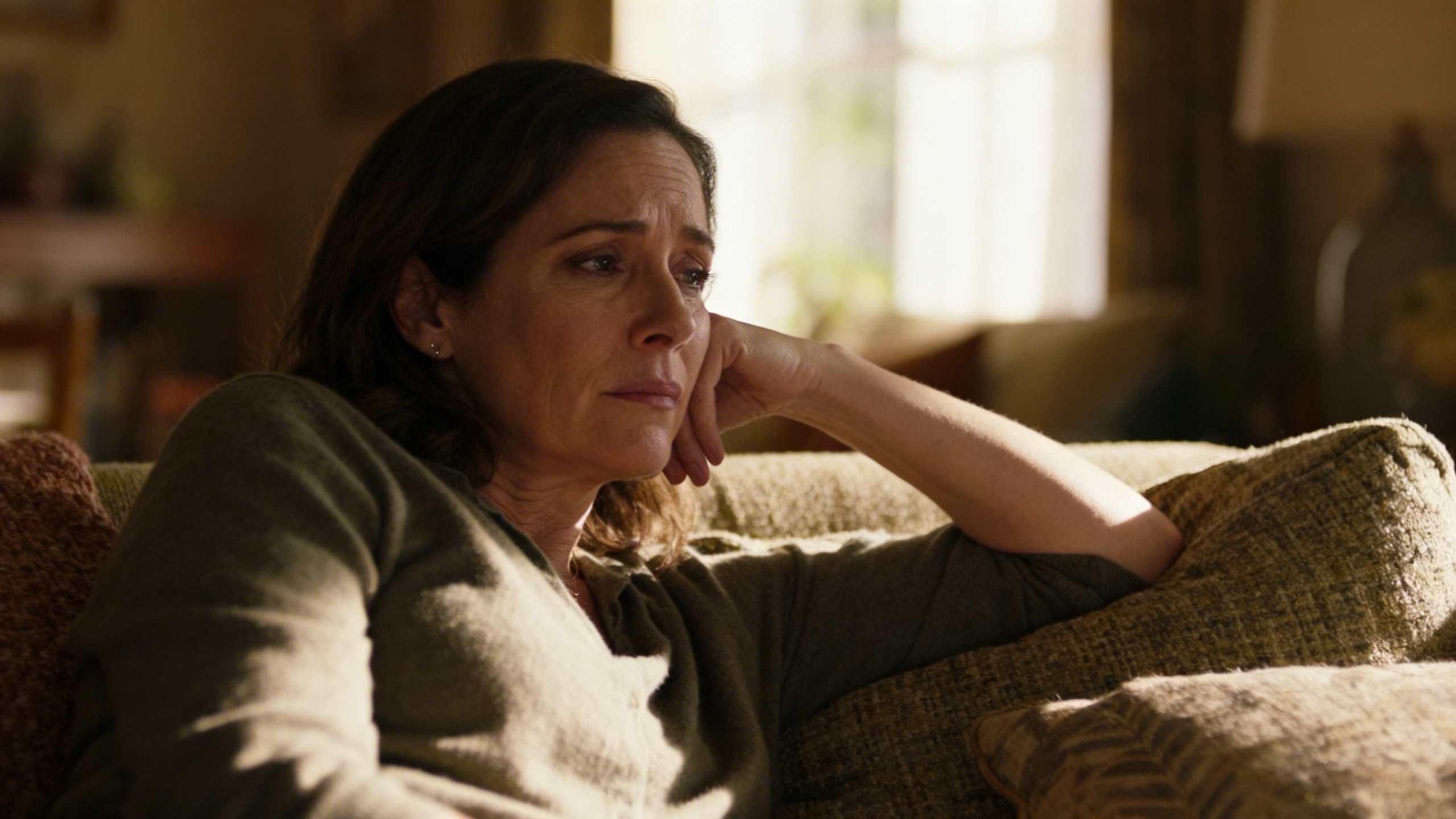
But that’s the reality for the vast majority of women going through the menopausal transition. Perimenopause fatigue, the kind where you’ve slept eight hours and still can’t get off the couch, where you stare at your to-do list and feel like crying, where the stairs to your bedroom feel like Everest, is actually the most commonly reported symptom. More common than hot flashes. More common than mood swings. More common than the thing everyone thinks of when they hear the word “perimenopause.”
And almost nobody is talking about it.
The Study That Changes the Conversation
In January 2026, Flo Health and Mayo Clinic published the results of a massive global study (over 17,000 women across 158 countries) in the journal Menopause. It’s one of the largest digital studies on perimenopause ever conducted. And the findings should make every primary care doctor sit up and pay attention.
Here’s what they found: 93% of perimenopausal women reported fatigue. Physical and mental exhaustion hit 95%. Meanwhile, hot flashes (the symptom everyone thinks of first) were only recognized as a perimenopause symptom by 71% of participants.
Read those numbers again. Ninety-three percent.
When researchers asked women what they expected perimenopause to feel like before it started, the top answers were hot flashes (71%), sleep problems (68%), and weight gain (65%). The gap between what women expected and what they actually experienced was enormous, especially when it came to fatigue, irritability, brain fog, and depressive mood.
In other words, the most common symptom of perimenopause is the one most women don’t even know to look for. And if you don’t know it’s a symptom, you can’t name it. And if you can’t name it, you can’t get help for it.
You end up Googling “why am I so tired all the time at 40” at two in the morning, convinced something is seriously wrong with you. Something is happening, but it’s not what you think.
Why Perimenopause Fatigue Isn’t Just Being “Tired”
Let me be clear: this isn’t the tiredness you feel after a bad night’s sleep or a stressful week. This is a different animal. Women describe it as:
- Bone-deep exhaustion that doesn’t improve with rest
- Waking up after a full night’s sleep feeling like you haven’t slept at all
- A heaviness in your body that makes simple tasks feel monumental
- Crashing in the afternoon so hard you can barely keep your eyes open
- Needing to sit down after climbing one flight of stairs
- Mental exhaustion, your brain feels like it’s running through mud
“I used to work a ten-hour day, pick up the kids, cook dinner, and still have energy to read at night. Now I’m wiped out by lunch. I actually fell asleep at my desk. At my desk.” - Rachel, 42
Sound familiar? You’re not lazy. You’re not “just getting older.” And you’re not making this up.
This is perimenopause exhaustion. When you can’t function, when the fatigue is so heavy it’s reshaping your entire life, that’s not a minor inconvenience. It’s a symptom that deserves to be taken seriously.

What’s Actually Happening in Your Body
So why is perimenopause so exhausting? Several things are happening at once, and they compound each other in ways that make “just rest more” laughably inadequate advice.
Your Hormones Are Running the Show
Estrogen does more than regulate your reproductive system. It influences energy metabolism, neurotransmitter production, and the way your brain processes fatigue signals. When estrogen levels swing wildly, spiking one week and crashing the next, your body can’t calibrate its energy systems properly. It’s like trying to drive a car when someone keeps yanking the steering wheel.
Progesterone, typically the first hormone to decline in perimenopause, has a mild sedative effect. It helps you sleep deeply and keeps your nervous system calm. When progesterone drops, you lose a biological sleep aid you didn’t even know you had. You’re still sleeping, but the quality tanks. Eight hours in bed, maybe five hours of actual restorative rest.
Sleep Disruption Is Feeding the Beast
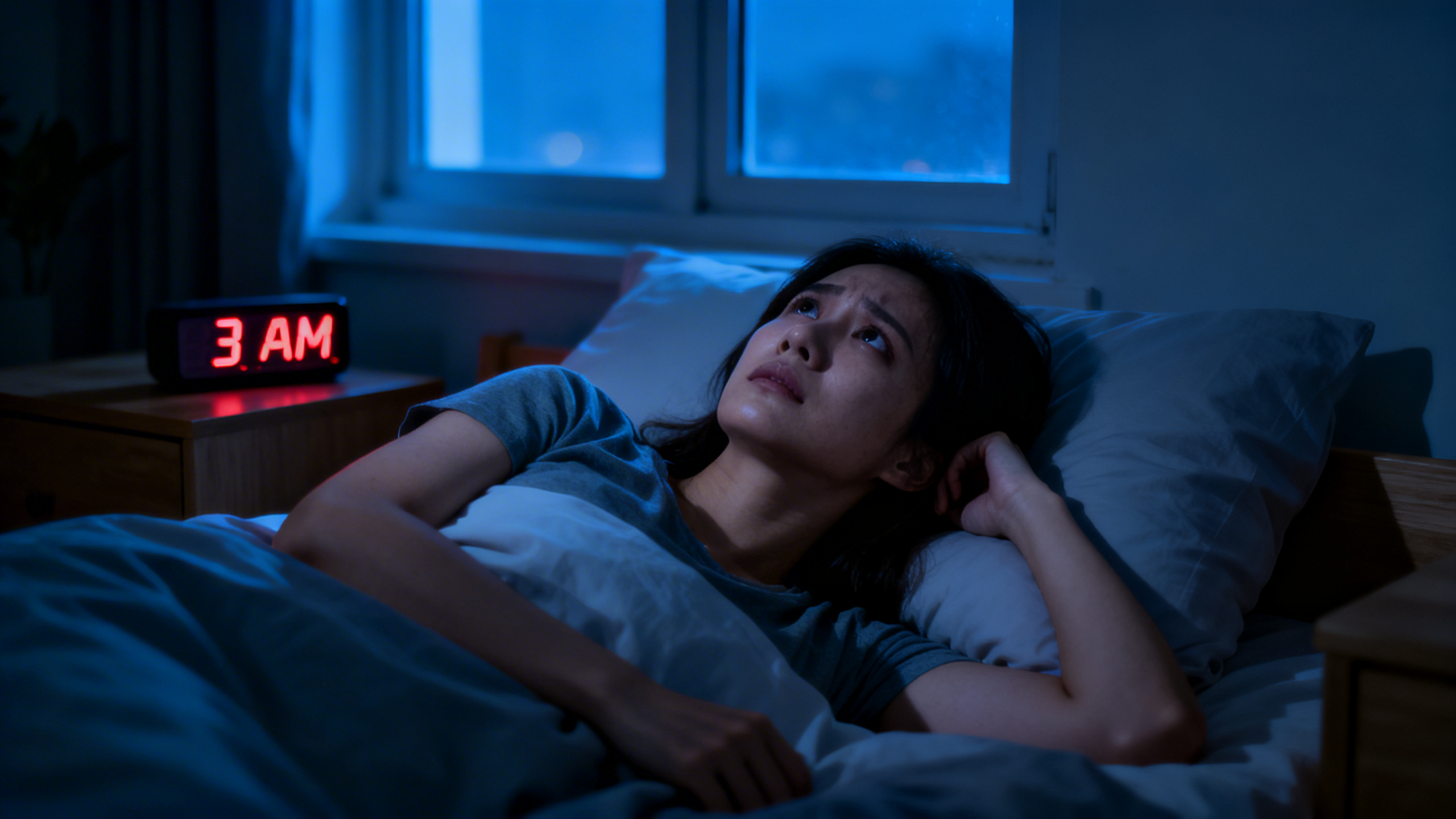
The Flo Health/Mayo Clinic study found that 89% of perimenopausal women reported sleep problems. Not surprising: night sweats wake you up, anxiety keeps you awake, and falling progesterone makes deep sleep harder to reach.
Here’s the vicious part: poor sleep makes fatigue worse, and fatigue makes everything else worse. Brain fog intensifies. Your mood becomes more volatile. Your pain threshold drops. You’re more irritable, more anxious, more likely to reach for sugar or caffeine as a band-aid. Which then disrupts your sleep further.
It’s a cycle that feeds itself. And it’s not one you can willpower your way out of.
Your Cortisol Is on a Roller Coaster
Hormonal chaos doesn’t just affect estrogen and progesterone. It throws your stress hormone, cortisol, off balance too. Cortisol is supposed to follow a neat daily rhythm: high in the morning to wake you up, tapering off at night so you can sleep. In perimenopause, that rhythm can go haywire. Cortisol stays elevated at night (hello, 3 AM wakeup), and your adrenal glands, already working overtime to compensate for shifting ovarian hormones, start running on fumes.
The result? You’re wired and tired. Exhausted but can’t sleep. Running on stress hormones during the day and crashing hard when they burn out.
You Might Be Running on Empty. Literally.
Heavier or more frequent periods, common in perimenopause, can quietly drain your iron stores. Low iron means less oxygen getting to your cells, which means less energy. Throw in potential deficiencies in B12, vitamin D, and magnesium, and your body is trying to run a marathon on an empty tank.
Why Your Doctor Probably Won’t Bring This Up
Here’s the thing: if you go to your doctor and say “I’m exhausted all the time,” you’ll likely get a thyroid panel, a CBC, maybe a check for anemia. All smart tests. But if those come back normal? You’ll probably hear some version of “you’re stressed,” “try to sleep more,” or (my personal favorite) “well, you are getting older.”
Nobody mentions perimenopause.
This isn’t because your doctor is malicious. It’s a systemic problem. A 2021 survey of OB-GYN residency programs found that only 31% offer formal menopause curriculum (Minkin, Menopause, 2021). Most doctors receive little to no training on the perimenopausal transition, and fatigue, as a symptom, is so nonspecific that it gets filed under “stress” or “lifestyle” long before anyone considers hormones.
And because most women don’t know fatigue is a perimenopause symptom either, they don’t bring it up that way. They say “I’m tired.” They don’t say “I think my hormones might be causing this bone-deep exhaustion that’s destroying my quality of life.” The framing matters. If you don’t connect the dots, it’s unlikely your doctor will connect them for you.
That’s not how it should be. But right now, that’s how it is.
The Symptom List You Were Never Given
Fatigue is the headline, but it’s rarely flying solo. The Flo Health/Mayo Clinic study found that women in perimenopause reported a cluster of symptoms at staggering rates:
- Physical and mental exhaustion: 95%
- Fatigue: 93%
- Irritability: 91%
- Sleep problems: 89%
- Depressive mood: 88%
And that’s just the top five. Brain fog, hot flashes, night sweats, digestive issues, anxiety: the full list runs much longer. But look at those top five. None of them are the symptoms anyone associates with perimenopause. They’re the symptoms that get blamed on depression, anxiety, burnout, or “just life.”
I wrote an entire chapter about this in Not Crazy, Just Hormones, “The Symptom List Nobody Gave You,” because that’s exactly what it is. A list that most women never see until they stumble across it, years into their symptoms, wondering why nobody told them sooner.
If you’re reading this and mentally checking off boxes, you’re not crazy. Perimenopause might be the missing piece. And knowing that changes everything.

What You Can Actually Do About Perimenopause Fatigue
I’m not going to pretend there’s a magic fix. There isn’t. But there are things that genuinely help, and the first step is understanding that this fatigue has a cause, which means it has potential solutions.
Talk to Your Provider With Specific Language
Don’t just say “I’m tired.” Say: “I’m experiencing persistent fatigue that isn’t relieved by sleep, and I’d like to explore whether hormonal changes could be a factor.” Ask about perimenopause specifically. Push for a full hormone panel if appropriate. Request ferritin (not just hemoglobin; ferritin shows your iron stores), vitamin D, and B12 levels.
Come prepared. Write down your symptoms and when they started. Bring a symptom tracker if you have one.
Address Sleep First
If your sleep is disrupted, fixing that will improve your energy more than anything else. A few evidence-backed starting points:
- Cool your bedroom to 65-68 degrees. Night sweats and warm rooms are a brutal combination.
- Cut caffeine after 1 PM. In perimenopause, you may metabolize caffeine more slowly than you used to.
- Limit alcohol to one drink, finished 3 hours before bed. That glass of wine “to relax” fragments your sleep architecture later.
- Talk to your provider about magnesium glycinate (commonly used in the 200-400mg range before bed, but get their guidance on what’s right for you).
- Consider whether hormone therapy might help. For many women, progesterone at bedtime significantly improves sleep quality. This is a conversation to have with a knowledgeable provider.
Move Your Body, But Differently
When you’re this tired, the idea of exercise feels absurd. But moderate movement (a 20-minute walk, some gentle strength training) can actually improve energy levels over time. The key word is moderate. High-intensity workouts can spike cortisol and make things worse. Think rebuilding, not punishing.
Get Your Levels Checked
Ask your provider to check:
- Ferritin (iron stores, can be low even with a “normal” CBC)
- Vitamin D (deficiency is extremely common in midlife women)
- B12 (affects energy and cognitive function)
- Thyroid panel (to rule out thyroid issues that mimic perimenopause)
These are simple blood tests that can identify fixable problems.
Give Yourself Permission to Rest
When’s the last time you rested without guilt? Exactly. This one is harder than it sounds. Most of us have spent decades pushing through. But perimenopause fatigue isn’t something you can outwork. Resting isn’t giving up. It’s responding appropriately to what your body is going through.
When to Push for More Answers
If your doctor says everything looks normal but you’re still barely functioning, don’t stop there. You deserve answers, not dismissal.
Consider seeking out a NAMS-certified menopause practitioner, a provider specifically trained in the menopausal transition. They’re more likely to connect the dots between fatigue, sleep disruption, and hormonal changes.
And if you want the full picture, every unusual perimenopause symptom that nobody warns you about, the science behind what’s happening, and the tools to advocate for yourself, that’s exactly what I wrote Not Crazy, Just Hormones for. Because no woman should have to figure this out alone, in the dark, at 2 AM, wondering what the hell is wrong with her.
Nothing is wrong with you. Something is happening to you. There’s a difference. And once you understand it, you can start doing something about it.
Want the science, the symptom lists, and the tools to advocate for yourself?
Not Crazy, Just Hormones was written for exactly this moment, when you stop doubting yourself and start getting answers.
The information in this post is for educational purposes only and is not intended as medical advice. Always consult with a qualified healthcare provider before making changes to your health regimen. I'm not a doctor. I'm a woman who's been through it and did the research so you don't have to start from scratch.