
Choosing a Personal Trainer During Perimenopause: Questions Before You Book
Check a trainer's credentials, scope, approach and costs before you commit. Includes a first-call checklist and a sample email you can copy.
You want help with exercise, not another person telling you to try harder. Finding a personal trainer for perimenopause can mean sorting through unfamiliar initials, menopause-course badges and packages that cost more than you expected.
Start with three checks: verify the exact credential and its current status, ask how the trainer works within their professional limits, and get the full price and terms in writing. Then decide whether their approach fits your life. A confident answer is useful information, not a guarantee of suitability.
This guide is about choosing coaching. For the broader evidence and its limits, see strength training during perimenopause. If your immediate question is equipment, the bands-versus-weights comparison covers that separate decision. Neither requires you to hire anyone.
Three qualifications that aren’t interchangeable
A trainer certification, a clinical license and extra menopause education answer different questions. Don’t let a string of letters do all the explaining.
- Trainer certification: Which organization issued it, for which role, and is it current? The American Council on Exercise (ACE), for example, defines a scope of practice for its certified personal trainers. Its manual distinguishes exercise programming and coaching from diagnosis and clinical treatment. It also states that a fitness certification is not a professional license. Read ACE’s role and scope chapter.
- Clinical license: If someone also offers a clinical service, ask: “Which separate clinical qualification do you hold, and who can independently confirm your authority to provide that service where I live?” Their trainer credential isn’t a substitute. This is a question to investigate, not a licensing rule or a verification of any individual.
- Menopause education: Ask for the course name, provider, content and assessment. What did the person learn, and how does it affect their coaching? Don’t treat a course badge as evidence of a clinical license or permission to diagnose symptoms.
The ACE chapter is from its fifth-edition manual, not a current legal guide for every trainer or country. Its useful boundary is specific: ACE professionals must stay within their qualifications and refer when a client’s needs require a more qualified health professional. A trainer who can explain those limits is giving you more useful information than one who promises to fix your hormones.
NICE’s menopause guideline, recommendation 1.2.5, includes the importance of maintaining muscle mass and strength through physical activity. That’s menopause context, not a trainer-certification standard, an endorsement of a course, or evidence that you need a paid package.
Check the credential, not just the badge
Ask for the trainer’s full professional name, exact certification title, issuing organization and certification number where one is used. Then use the issuer’s official verification route rather than relying only on a screenshot of a certificate.
For an ACE credential, the official Verify an ACE Certification form asks for the certification number. That is the part of the process checked for this article; no individual’s number was submitted, and the fields shown after a lookup weren’t tested. Ask ACE how to confirm that the exact credential belongs to the person you’re considering and is current before treating it as verified.
USREPS is another bounded example: it says it provides verification of current credentials for registered exercise professionals from its member organizations. It isn’t a government license, a list of every trainer, or a promise that someone will be right for you. An absent entry is a reason to check with the named certifier, not proof of misconduct.
For a different certification, a practical next question is: “How can I check this directly with the organization that issued it?” This article hasn’t tested other issuers’ processes. Record what you checked and the date. A business listing or social-media following doesn’t answer the credential question for you.
Ask what happens when the plan doesn’t fit
What would the trainer do if a session felt wrong for you, your schedule changed, or you needed a healthcare opinion? Ask for an explanation of their process, not someone else’s private health story.
Useful questions include: “How do you agree goals with a client?” and “How do you respond when a client asks to change or stop an activity?” You can also ask about experience supporting people during perimenopause without assuming that everyone needs the same adaptations.
Keep medical questions with qualified healthcare. The CDC’s general-adult guidance advises people with a chronic health condition to discuss appropriate types and amounts of activity with their doctor. This is general guidance, not a perimenopause-specific exercise plan. ACE’s scope and referral guidance also makes referral part of professional responsibility.
A coaching call can’t determine why you have a new or concerning symptom. Seek qualified healthcare rather than waiting for a trainer’s answer, and don’t use this checklist to rule out disease or delay assessment. If you’re looking for clinical care rather than exercise coaching, see the separate guide to evaluating a menopause clinic.
A first-call checklist you can copy
Use the answer column for the person’s actual response, a link to verification, or “still unclear.” There is no passing score. You can leave the conversation undecided.
| Question | Why it matters | Their answer / my notes |
|---|---|---|
| What is your exact trainer credential, issuing organization and certification number, if applicable? | Gives you something specific to verify instead of a general title. | ____________________ |
| Where can I independently check that credential’s current status? | Separates current verification from an old certificate. Note the date you checked. | ____________________ |
| What menopause education have you completed, and how was it assessed? | Lets you distinguish additional learning from the trainer credential or a clinical license. | ____________________ |
| What experience do you have with clients during perimenopause? How do you agree goals and adaptations? | Shows how the conversation might work without treating all midlife clients alike. | ____________________ |
| How do you respond if I want to stop or change an activity? | Clarifies how your feedback and consent shape a session. | ____________________ |
| What is outside your role, and when would you refer me to healthcare? | Tests whether they can explain boundaries rather than offer a diagnosis or treatment promise. | ____________________ |
| Is this in person, live online, recorded or a written plan? Who gives feedback? | “Coaching” can describe different services. | ____________________ |
| Can the space or format meet my access, privacy and communication needs? What equipment is required? | Helps you assess the actual service, not just the website photographs. | ____________________ |
| What is the total cost, including required equipment, fees and minimum commitment? | A session price alone may not describe the whole purchase. | ____________________ |
| What are the cancellation, rescheduling, refund and package-expiry terms? | Makes the consequences of a missed session or changed decision clear. | ____________________ |
| Are products or extra packages required? Can I take the written terms away before deciding? | Gives you room to consider costs and any pressure or treatment claims. | ____________________ |
Credentials and answers don’t guarantee safety, results or a good working relationship. They help you make a more informed decision about whether to continue the conversation.
A short email before a first conversation
This is a sample for you to adapt, not an email we’ve sent or a testimonial:
Hello, I’m considering exercise coaching during perimenopause. Before I decide, could you share your exact trainer certification and its official current-status verification route, plus any additional menopause education?
I’d also like to understand how you agree goals and adaptations with clients, when you refer someone to healthcare, and what the session format involves. Please send the total cost, minimum commitment, equipment requirements and cancellation terms.
My main practical questions are [access, schedule, privacy or other needs]. Is there an opportunity to discuss these before I commit? Thank you.
You don’t need to send personal medical records or lab results with a first enquiry. Keep the opening message focused on the service you’re considering.

You can take the information home
If the reply is vague, ask once more for the missing detail. “Which credential, exactly?” is a reasonable question. So is “What will I owe in total?”
Promises to treat hormone problems, guaranteed body changes, or pressure to buy before the terms are clear are reasons to pause. They aren’t a basis for making accusations about a named person. If a medical claim affects your decision, discuss it with a qualified healthcare professional rather than treating a sales conversation as an assessment.
You can choose a different trainer, decide coaching isn’t affordable now, or leave the decision open. A first conversation does not need to end with your card number.
For more plain-English context for healthcare conversations, you can start with the free chapter of Not Crazy, Just Hormones. The checklist above is yours to use without signing up.
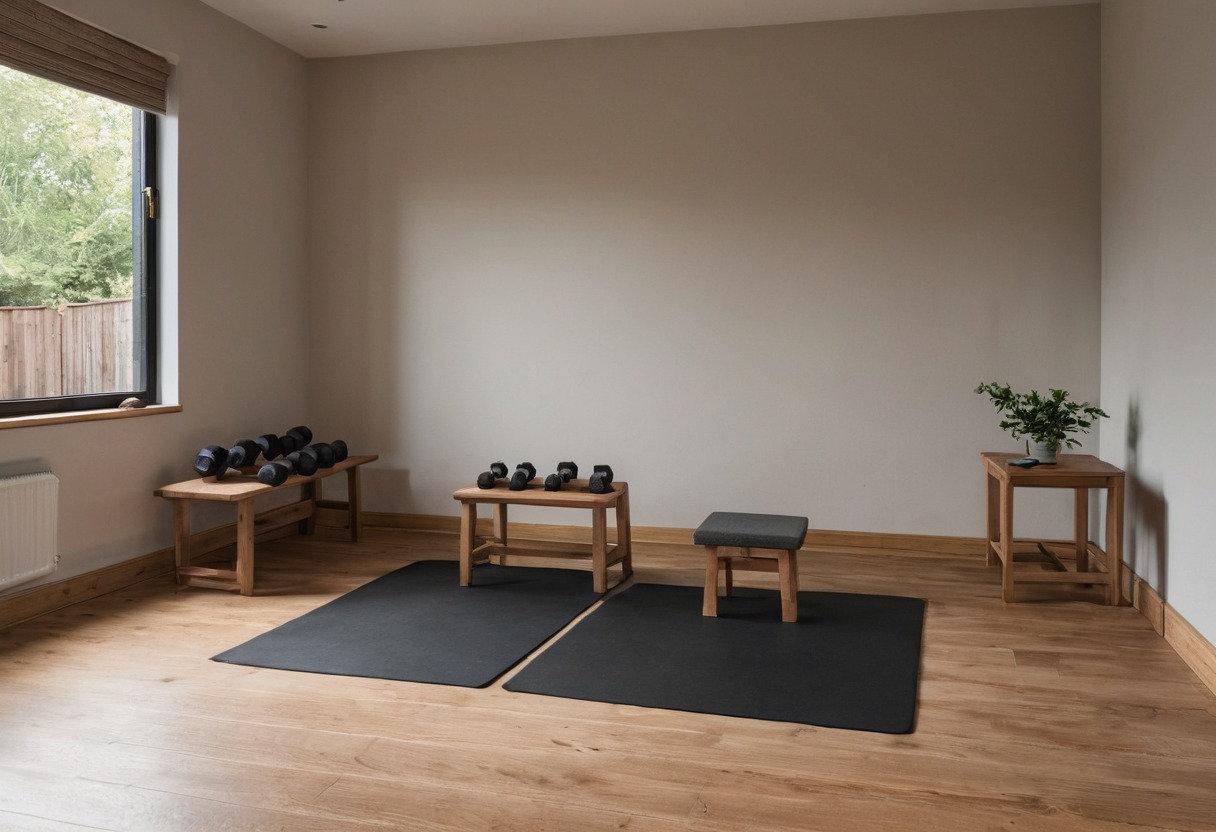
The images are AI-generated illustrations of everyday situations, not photographs of actual providers, interviews or client testimonials.
This article provides educational consumer information, not medical advice, a personal exercise plan or an individual provider recommendation. Discuss personal exercise suitability, symptoms and health concerns with a qualified healthcare professional. Evelyn Cale is not a clinician. No clinician review is claimed.
References
- American Council on Exercise. Role and Scope of Practice for the Personal Trainer, Personal Trainer Manual, fifth edition, chapter 1.
- American Council on Exercise. Verify an ACE Certification.
- United States Registry of Exercise Professionals. Credential verification and registry information.
- Centers for Disease Control and Prevention. Adding Physical Activity as an Adult.
- National Institute for Health and Care Excellence. Menopause: identification and management (NG23), recommendations.